


Avionics Software Development Process: The aerospace industry has always been at the forefront of cutting-edge technologies, and avionics is no exception. Avionics, the electronic systems used in aircraft, satellites, and spacecraft, play a critical role in the successful operation of these vehicles.
With the increasing complexity of modern aircraft systems and the need for safety-critical functions, avionics software development has become a specialized field requiring a deep understanding of both software engineering and aviation requirements. This article delves into the avionics software development process and highlights the unique challenges and methodologies employed.
Avionics Software Development Process: Avionics Software
1. Introduction to Avionics
Before diving deep into the software development process, it’s essential to have a foundational understanding of avionics as a domain.
1.1. What is Avionics?
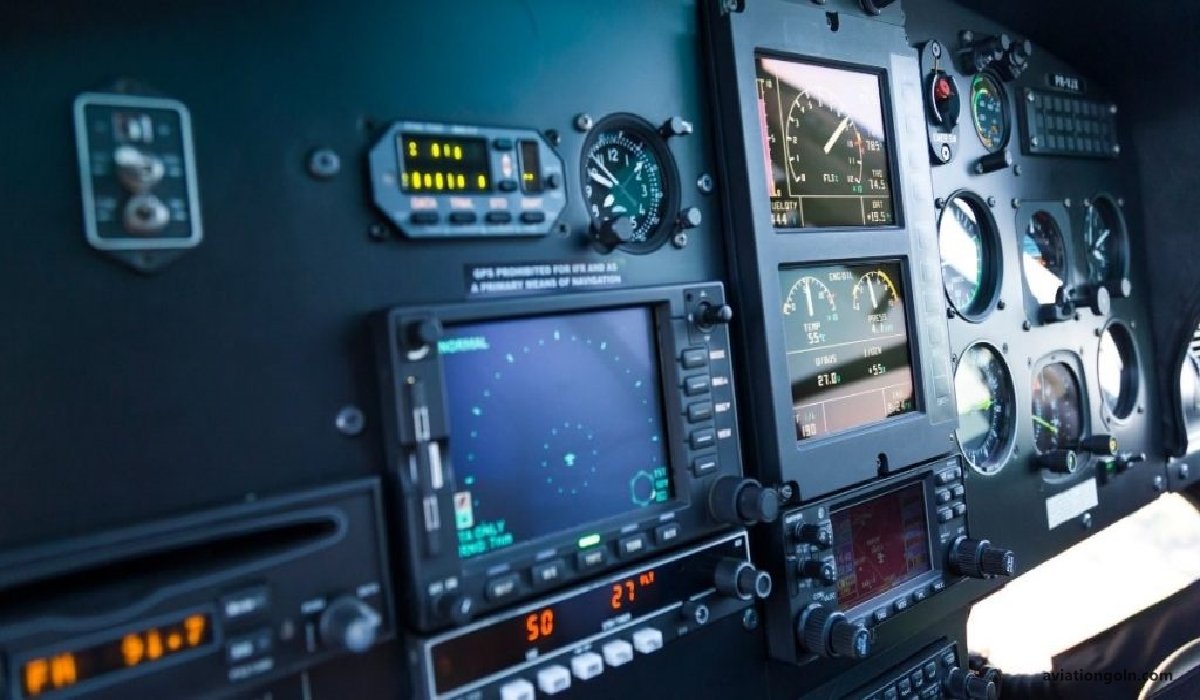
“Avionics” is a portmanteau of “aviation” and “electronics.” It encompasses the systems and subsystems used in aircraft and spacecraft for communication, navigation, monitoring, and control, amongst other functions. This includes systems like:
- Communication systems: For ensuring pilots can talk to air traffic controllers and other aircraft.
- Navigation systems: Which help pilots determine their position and plot courses.
- Monitoring systems: That provide data about the aircraft’s engine, altitude, speed, and other essential parameters.
- Flight control systems: Which assist in flying the aircraft.
- Collision avoidance systems: Designed to prevent accidents.
1.2. The Importance of Avionics Software
While the hardware components of these systems are essential, the software driving them is of equal, if not greater, significance. With the rise of fly-by-wire systems, where user inputs are interpreted by computers rather than directly affecting control surfaces, the role of software has become more pronounced.

2. The Avionics Software Development Process
Developing software for avionics is no simple task. It requires adherence to strict standards and a thorough process to ensure safety and reliability.
2.1. Requirements Elicitation
Just like any software development process, avionics software starts with gathering requirements. However, these requirements are unique in their criticality. An error or misunderstanding can have catastrophic results.
Stakeholders, which include pilots, aircraft engineers, regulatory bodies, and manufacturers, provide input. The requirements are documented in a structured manner, ensuring clarity and leaving no room for ambiguity.
2.2. System Design
Once requirements are clear, the high-level design phase begins. Here, developers and architects outline the system’s architecture, select appropriate technologies, and break down the software into modules or components.
Special attention is given to the redundancy of systems to ensure that a failure in one part doesn’t lead to overall system failure.
2.3. Coding and Implementation
Coding in avionics software is different from regular software coding. Developers often have to use specific programming languages like Ada, which was explicitly designed for safety-critical applications. The coding standards here are strict, and developers are often mandated to avoid certain programming constructs that might introduce ambiguity or unpredictability.


2.4. Testing
Testing is perhaps the most critical phase in avionics software development. Given the potential consequences of software failure, avionics software undergoes rigorous testing.
- Unit Testing: Each module or component is tested in isolation.
- Integration Testing: Multiple units are combined and tested together to check for interoperability and interface issues.
- System Testing: The software, as a whole, is tested, often in simulated environments that mimic real-world scenarios the aircraft might encounter.
- Acceptance Testing: The software is tested in real aircraft systems to ensure it meets the acceptance criteria.
2.5. Verification and Validation
Verification ensures that the software meets the specified requirements, while validation ensures that the software satisfies the intended use and user needs.
Given the high stakes in avionics, independent bodies often perform verification and validation to ensure impartiality and thoroughness.
2.6. Maintenance and Updates
Post-deployment, the software is continually monitored. Any bugs, anomalies, or areas of improvement are documented and addressed in subsequent updates.


3. Standards in Avionics Software Development
To ensure consistency, safety, and reliability, several standards govern avionics software development. One of the most notable standards is DO-178C, titled “Software Considerations in Airborne Systems and Equipment Certification.”
3.1. DO-178C
DO-178C provides guidelines ranging from the planning and requirements phases to the testing and post-deployment phases. It emphasizes:
- Requirement traceability: Ensuring every piece of code can be traced back to a requirement.
- Independence: Testing and some other processes should be independent of the development process to prevent biases.
- Verification: Every claim about the software’s performance and behavior needs to be verified.
The standard also classifies software based on its criticality, from Level E (no effect on operational capability or safety) to Level A (could prevent continued safe flight and landing).


4. Challenges in Avionics Software Development
Avionics software development is fraught with challenges, a few of which include:
- High Reliability Needs: The need for near-perfect reliability means there’s little room for errors.
- Complex Integration: Integrating software with various hardware components and ensuring they work in harmony is complex.
- Evolving Technology: With rapidly evolving tech, ensuring that avionics software remains up-to-date while maintaining compatibility with existing systems is challenging.
- Regulatory Compliance: Adhering to strict regulatory standards can slow down development and increase costs.

5. The Future of Avionics Software Development
The future is promising, with advancements in AI, machine learning, and more sophisticated sensors paving the way for more autonomous and intelligent avionic systems. However, with increased complexity comes the need for even more rigorous software development processes.

Avionics software development, with its unique challenges and high stakes, is a fascinating intersection of aviation and software engineering. While the process may seem daunting, the industry’s commitment to safety and innovation ensures that, as air travel continues to evolve, the software driving it remains reliable and robust.
Read more:


