Safety and Security in Avionics Software: Air travel has evolved to become one of the most preferred means of transportation. Behind the wonders of fast and efficient air travel is the intricate world of avionics software. Ensuring the safety and security of avionics software is crucial, as any vulnerability or failure can lead to catastrophic consequences. This article delves deep into the importance of safety and security in avionics software, its challenges, strategies to address them, and the future of avionics software.
Safety and Security in Avionics Software: Avionics Software
1. What is Avionics Software?
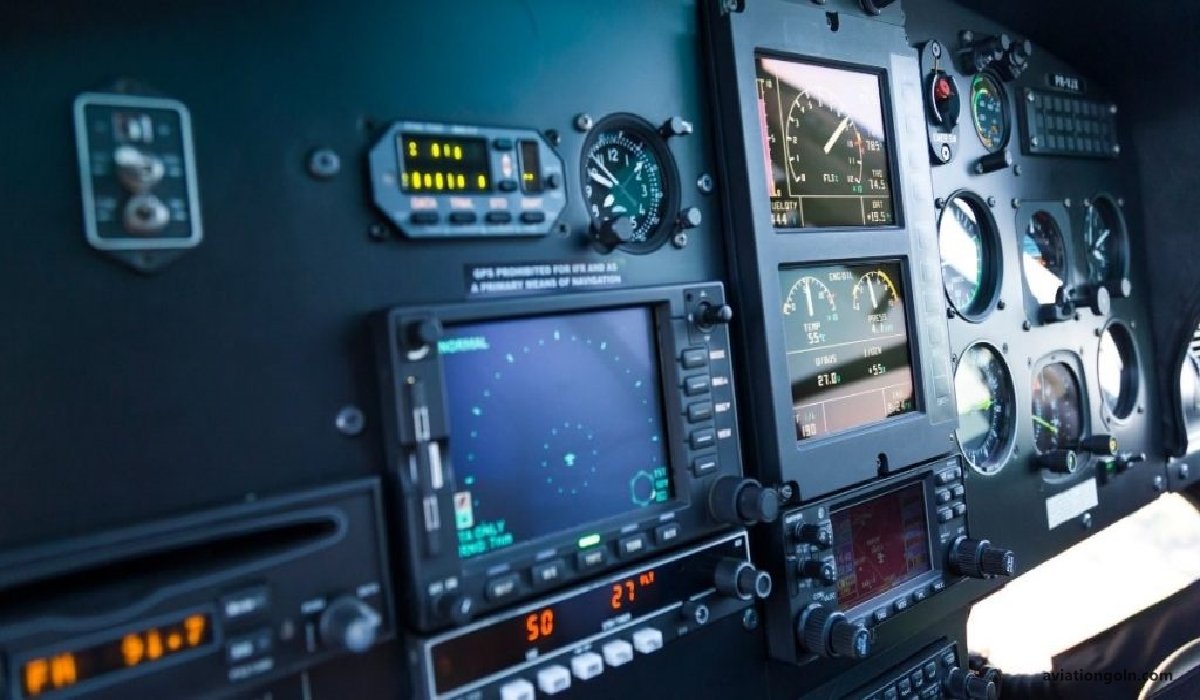
Avionics software is the embedded software system that controls and manages the numerous electronic devices and systems aboard aircraft. This can range from navigation and communication systems to weather radars, collision-avoidance systems, and even fly-by-wire control systems. Each of these components plays a critical role in ensuring that an aircraft functions correctly and safely.
2. Why is Safety and Security Important in Avionics Software?
Given that aviation heavily relies on software systems, any fault or security breach can have dire consequences:
- Faults can lead to system malfunctions, which in turn can lead to accidents.
- Security breaches can allow malicious actors to interfere with aircraft systems, putting passengers and crew at risk.

3. Challenges in Ensuring Safety and Security
- Complexity: Modern aircraft contain millions of lines of code and multiple interconnected systems, making them inherently complex and challenging to secure and verify.
- Integration: With multiple systems communicating simultaneously, ensuring that each piece of software is both individually secure and safe when integrated is a daunting task.
- Evolution of Threats: As technology evolves, so do the threats. Hackers are continuously looking for vulnerabilities, making security a moving target.

4. Strategies for Ensuring Safety and Security in Avionics Software
- Standards and Regulations: Organizations like the Federal Aviation Administration (FAA) and European Union Aviation Safety Agency (EASA) set strict standards (like DO-178C) for software development and verification in aviation.
- Modular Architecture: Designing software in a modular fashion allows for individual components to be tested and verified separately. This not only makes it easier to ensure the safety of each component but also improves security by isolating potential breaches.
- Redundancy: Employing redundant systems ensures that even if one component fails, there’s another as backup, ensuring continued safe operation.

- Continuous Monitoring and Testing: Ongoing monitoring and rigorous testing of avionics software identify and rectify potential vulnerabilities or failures.
- Secure Development Lifecycle: Incorporating security from the beginning of the software development lifecycle and not as an afterthought.
- Cryptography: For communication systems, cryptography ensures that data transmission is secure, preventing unauthorized access or tampering.
5. Notable Incidents and Lessons Learned
While rare, failures and vulnerabilities in avionics software can be educational. Studying these incidents helps in understanding what went wrong and improving current systems.
- Incident 1: A slight software glitch caused a plane’s onboard systems to calculate the wrong takeoff speed, leading to close calls. Lesson: It highlighted the need for rigorous testing and validation of any software updates.
- Incident 2: Security researchers demonstrated vulnerabilities in an aircraft’s entertainment system, which theoretically could be exploited to affect flight controls. Lesson: It emphasized the importance of isolating non-critical systems from essential flight control systems.
6. The Future of Avionics Software: Challenges and Opportunities
As aviation technology evolves, so will the challenges and opportunities in avionics software:
- Integration with AI: With the rise of AI in aviation for functions like autopilot, ensuring the safety and security of these systems becomes crucial.
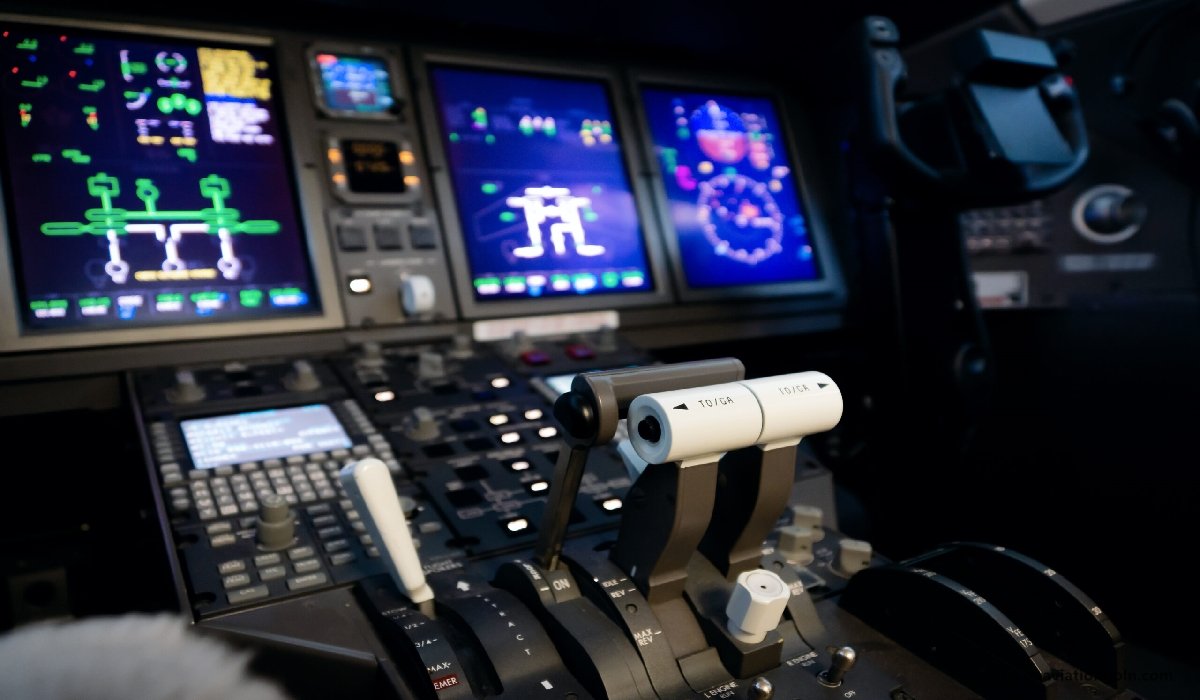
- Urban Air Mobility: The rise of drones and urban air taxis presents new challenges in avionics software safety and security.
- Quantum Computing: Quantum computers could revolutionize cryptography, requiring the aviation industry to adapt.
Safety and security in avionics software are of paramount importance. While challenges exist, with the continuous evolution of technology and rigorous standards in place, the aviation industry remains committed to ensuring that air travel remains one of the safest modes of transportation.