
Air Traffic Management and Communication: As the skies become increasingly congested with more aircraft taking to the air, the efficiency, safety, and reliability of air traffic management (ATM) systems have become paramount.
These systems hinge on avionics hardware—the equipment within the aircraft itself, which communicates with other aircraft and ground-based systems to ensure seamless coordination and safe flying conditions. This article dives deep into the intricacies of avionics hardware, examining its pivotal role in modern air traffic management and communication.
Air Traffic Management and Communication: Avionics Hardware
Section I: An Overview of Air Traffic Management
1.1 Definition and Purpose
Air Traffic Management (ATM) is the full-service operation that oversees every phase of an aircraft’s flight: from departure to arrival and everything in between. The primary objectives of ATM are:
- Ensuring the safe separation between planes
- Managing the efficient movement of aircraft
- Minimizing delays
- Adapting to changing conditions, be it weather, technical issues, or other unforeseen challenges
1.2 Components of Air Traffic Management
There are three primary components of ATM:
- Air Traffic Control (ATC): Ground-based systems and professionals that directly instruct pilots on their immediate flight operations, such as altitude, direction, and speed.
- Air Traffic Flow Management (ATFM): This involves managing the flow of aircraft into a particular airspace or onto a runway to avoid congestion.
- Aeronautical Information Management (AIM): This system ensures that up-to-date, accurate data about routes, weather, and other key factors are provided to both ATC and pilots.

Section II: Avionics Hardware – The Heartbeat of Communication
2.1 Definition of Avionics
Avionics—a blend of “aviation” and “electronics”—refers to all the electronic systems used in aircraft, satellites, and spacecraft. This includes systems for communication, navigation, displaying information, and more.
2.2 Key Avionic Systems in Air Traffic Management
- Communication Radios: These radios allow for communication between the aircraft and ground controllers. Modern radios operate on VHF bands and can switch between different frequencies.
- Transponders: Crucial for surveillance, transponders emit signals that can be tracked by ground-based radar. The ADS-B system, now standard in many countries, allows aircraft to broadcast their position, and other flight data to both ATC and other aircraft.
- Flight Management Systems (FMS): These onboard systems help pilots plan and manage their flights, taking into account the data from various sensors and systems within the aircraft.
- Traffic Collision Avoidance Systems (TCAS): A safety net system, TCAS analyzes the traffic in the airspace around an aircraft and provides collision avoidance advice to the pilot.
2.3 Evolving Technologies
In the realm of avionics hardware, technological evolution never stops. Newer systems, like Controller-Pilot Data Link Communications (CPDLC), are being introduced. CPDLC allows pilots and controllers to communicate using text messages, reducing the potential for misunderstandings that can occur with voice communication.
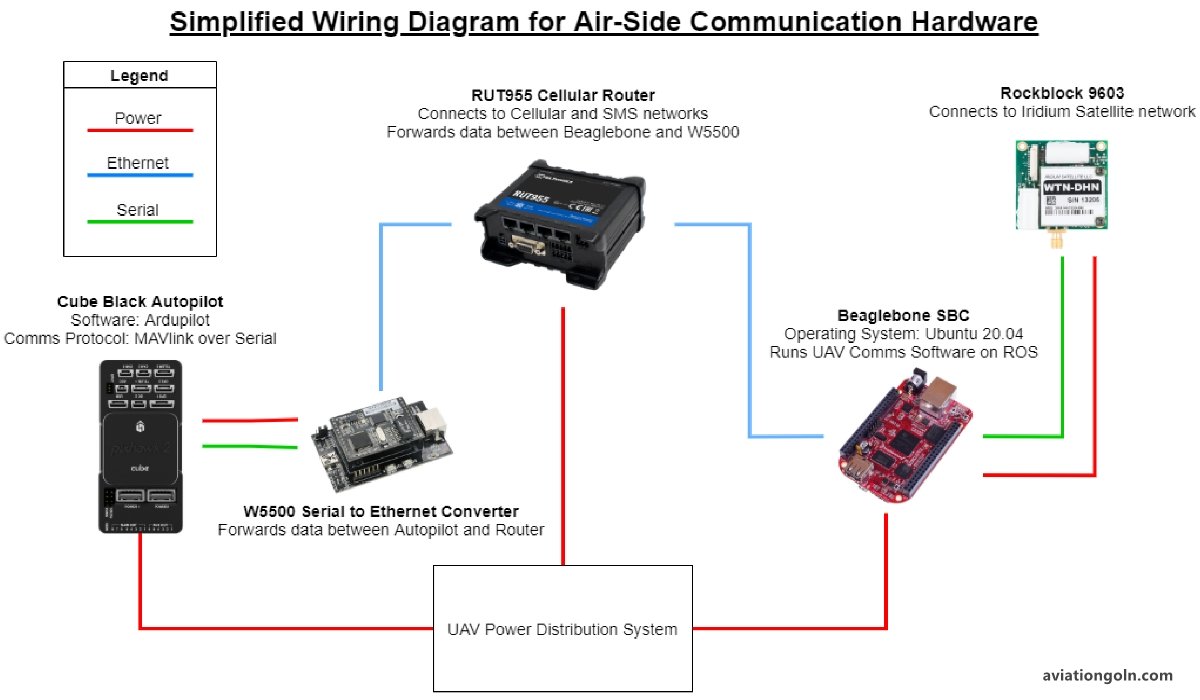
Section III: The Interplay of Avionics Hardware and Air Traffic Management
3.1 Seamless Communication for Enhanced Safety
The synergy between ATC, the pilot, and the aircraft’s avionic systems ensures that flights remain safe. For instance, if a plane strays from its intended route, the ATC can relay corrective instructions to the pilot, or the aircraft’s avionic system can alert the pilot about potential collisions or deviations.

3.2 Adaptive Flight Management
Avionics hardware and ATM work together to handle unforeseen circumstances. If there’s a sudden change in weather conditions, for instance, ATM might alter an aircraft’s flight plan. The aircraft’s FMS will then recalculate the most efficient path in light of this change.
3.3 Automated Traffic Coordination
With advances like the ADS-B system, aircraft can ‘see’ each other in real-time, leading to enhanced situational awareness. When paired with systems like TCAS, the potential for mid-air collisions drastically reduces.

Section IV: The Future of Air Traffic Management and Avionics
4.1 Digital Towers
Digital or remote air traffic control towers use digital technology to replicate the view from a conventional tower. This allows air traffic controllers to manage aircraft from a remote location, which could revolutionize the way we handle air traffic, especially at smaller, less busy airports.
4.2 Integration of AI and Machine Learning
With the vast amounts of data being generated by avionic systems, there’s immense potential for AI and machine learning to analyze and provide insights. This could lead to smarter air traffic flow management, reduced fuel consumption, and enhanced safety measures.
4.3 Enhanced Real-time Collaboration
Future avionics systems could allow for more direct collaboration between aircraft. For instance, in busy airspaces, aircraft could automatically adjust speeds or altitudes based on the positions of nearby aircraft.

The intricate dance of aircraft in our skies is a testament to the sophistication and reliability of air traffic management systems and the avionics hardware that underpins them. As technology evolves, we can expect even greater safety, efficiency, and coordination in the world of aviation. For anyone taking to the skies, whether as a pilot, passenger, or aviation enthusiast, understanding the crucial role of avionics in air traffic management offers a deeper appreciation for the marvel that is modern flight.