The evolution of aviation is a tale of continual innovation and advancement. Over the years, countless experimental and prototype aircraft have been developed, paving the way for the technological marvels we see in the sky today. These testbeds of aviation innovation, often shrouded in secrecy or limited in number, provide invaluable insights into the capabilities and potential of aerial vehicles. This article delves into the intricate world of experimental and prototype aircraft, highlighting the various types and their significant contributions to aviation history.
Experimental and Prototype Aircraft: In-depth Look at Different Types of Aircraft

1. What are Experimental and Prototype Aircraft?
At its core, an experimental aircraft is any aircraft used for testing new aerospace technologies, designs, or concepts. Unlike production aircraft, which are built for operational use and have passed rigorous testing and certification, experimental aircraft are often unique or limited-run models.
A prototype, on the other hand, is the first or one of the initial versions of an aircraft from which other forms might be developed. It serves as a demonstrator, giving manufacturers, stakeholders, and potential customers a tangible look at what the eventual production version might encompass.

2. The Different Types of Experimental and Prototype Aircraft:
2.1. Technology Demonstrators:
These aircraft serve a singular purpose: to showcase or test a new technology. The Bell X-1, which in 1947 became the first plane to break the sound barrier in level flight, is an example. It wasn’t intended for production but was vital in understanding supersonic flight.
2.2. Research Aircraft:
Often developed in partnership with organizations like NASA, research aircraft help in understanding specific aviation challenges. An iconic example is the North American X-15, which reached the fringes of space and provided insights into high-altitude flight.
2.3. Prototype Military Aircraft:
Military forces always seek an edge, leading to the development of prototype aircraft to test new combat concepts. The Lockheed YF-22, which evolved into the F-22 Raptor, is an example of a prototype that went on to become a dominant production fighter jet.
2.4. Private Venture Prototypes:
Sometimes, manufacturers develop prototypes without a guaranteed buyer, hoping to stimulate interest. The Scaled Composites SpaceShipOne, which aimed to kick-start commercial spaceflight, is a notable example.

3. A Closer Look at Noteworthy Experimental and Prototype Aircraft:
3.1. The Bell X-1: Breaking the Sound Barrier
The Bell X-1 was a rocket-engine powered research aircraft, famously piloted by Chuck Yeager in 1947 to become the first to break the sound barrier. It was shaped like a bullet, which was crucial to its success. Lessons learned from the X-1 directly influenced later supersonic designs.
3.2. The North American X-15: Touching the Edge of Space
Flying from 1959 to 1968, the X-15 remains one of the most advanced experimental aircraft. It reached altitudes of over 67 miles and speeds above Mach 6. The program provided data that was crucial for both military aviation and NASA’s manned spaceflight endeavors.
3.3. The Lockheed Martin X-35 and Boeing X-32: The Fight for the Joint Strike Fighter
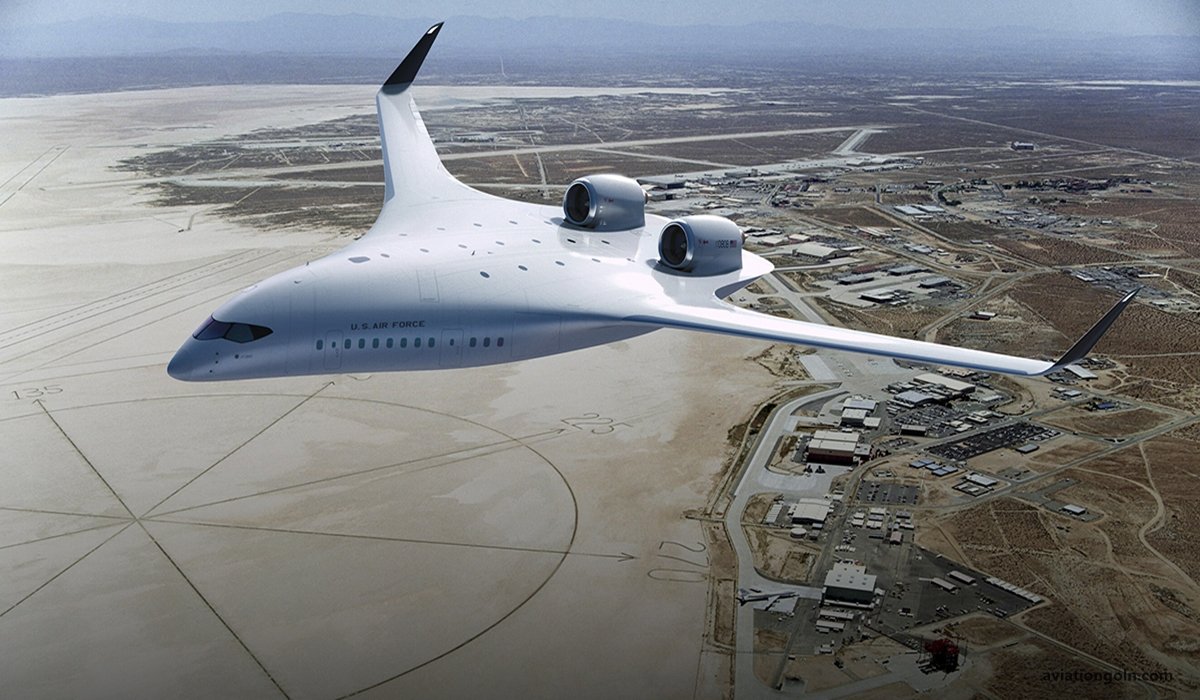
In the late 1990s and early 2000s, Lockheed Martin and Boeing went head-to-head with the X-35 and X-32 respectively to secure the U.S. military’s Joint Strike Fighter contract. The Lockheed Martin X-35 emerged victorious, evolving into the now-famous F-35 Lightning II.
4. The Importance of Experimental and Prototype Aircraft
4.1. Advancing Technology:
Every major leap in aviation, from breaking the sound barrier to developing stealth technology, has come from experimental testing. These aircraft allow engineers to test and refine concepts in real-world conditions.
4.2. Informing Design:
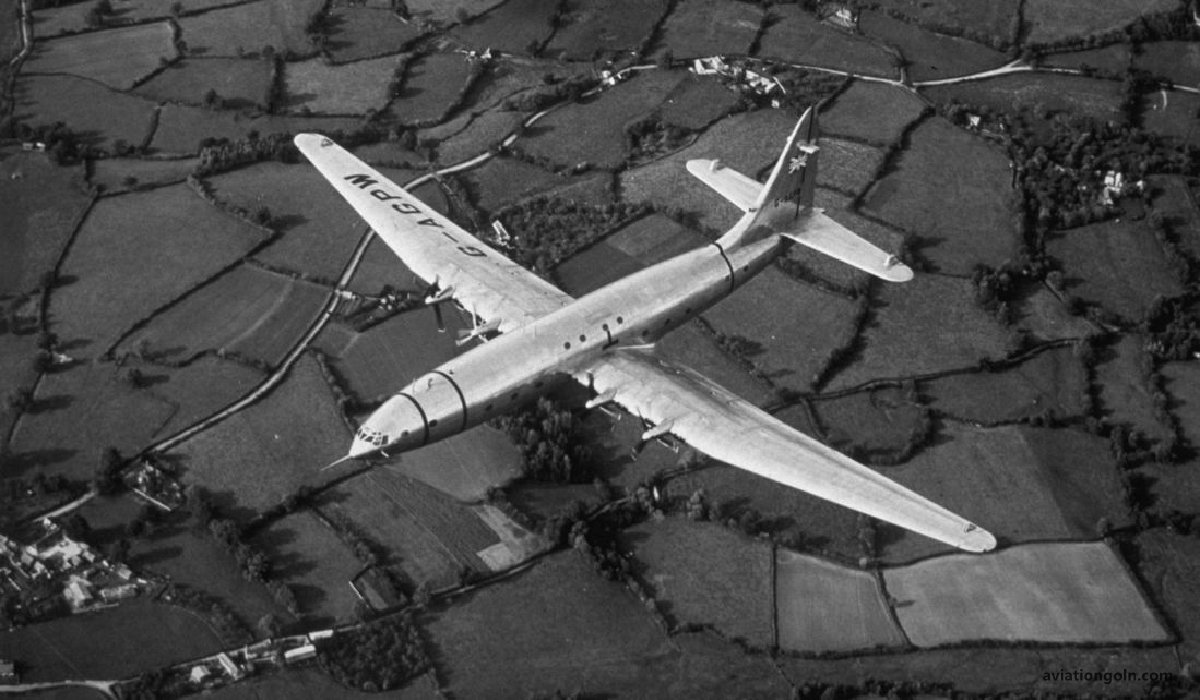
Mistakes made during the prototyping phase can be corrected before a full production run, saving time, money, and potentially lives. The De Havilland Comet, the world’s first commercial jetliner, suffered catastrophic failures due to unforeseen design issues. This tragedy underscored the need for rigorous testing.

4.3. Stimulating Interest:
Experimental aircraft, especially private venture prototypes, can generate interest from potential buyers or the public. The Rutan Voyager, which became the first plane to fly around the world without stopping or refueling, is a testament to this.
5. Challenges in Developing Experimental and Prototype Aircraft:
5.1. High Costs:
Developing new aircraft technologies requires significant investment, and there’s no guarantee of a return. If a prototype doesn’t lead to a production contract, the financial losses can be substantial.
5.2. Technological Barriers:
Pushing the boundaries of what’s possible often means encountering unexpected challenges. Overcoming these hurdles requires innovation and sometimes a reimagining of initial concepts.
5.3. Secrecy and Competition:
Especially in the military realm, prototype development is often shrouded in secrecy. This secrecy can limit collaboration and lead to parallel development, where multiple entities unknowingly work on similar projects.

6. The Future of Experimental and Prototype Aircraft
The future is promising with the rise of electric propulsion, unmanned aerial vehicles, and the renewed interest in supersonic commercial travel. Organizations like NASA’s X-57 Maxwell, an all-electric demonstrator, and Boom Supersonic’s XB-1 prototype are pushing the boundaries of what’s possible.
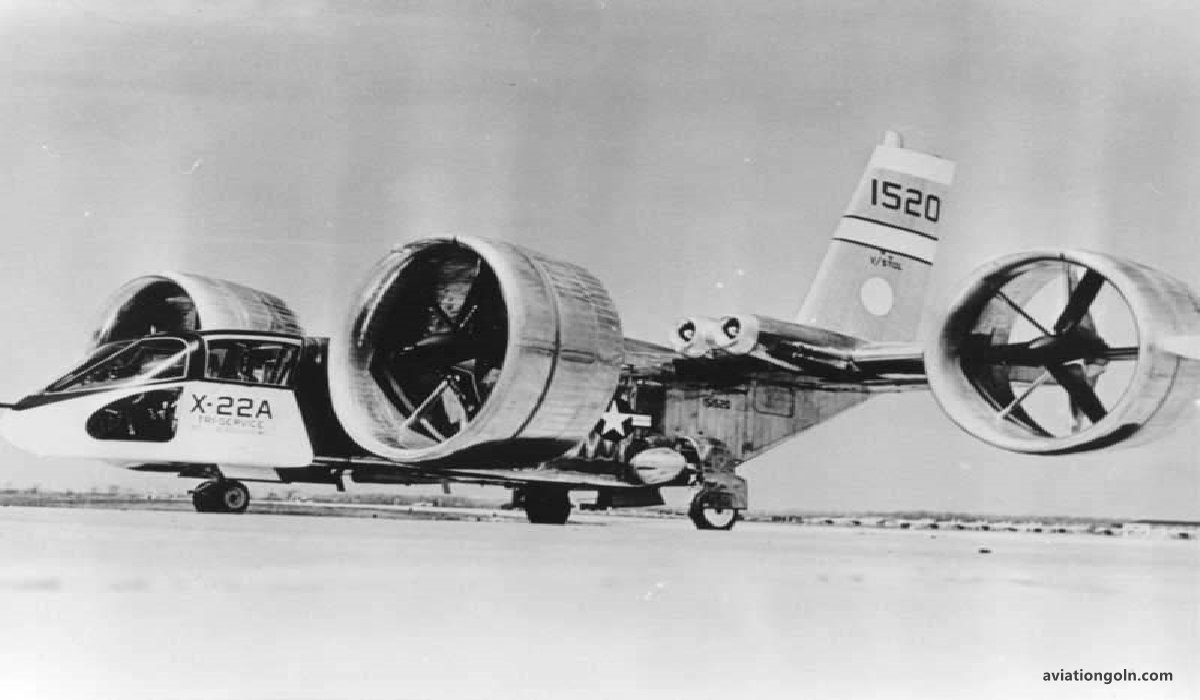
The world of experimental and prototype aircraft is as vast as it is fascinating. These machines, often at the cutting edge of technology, shape the future of aviation. Whether they emerge from secretive government programs, ambitious private ventures, or collaborative international efforts, their contributions to the ever-evolving story of flight are undeniable.