
FMS Interaction with Other Avionics Systems, The Flight Management System (FMS) is an integral part of modern aircraft avionics, designed to optimize an aircraft’s flight by managing and controlling its navigation and performance. This multi-functional system, however, does not operate in isolation.
The FMS interacts extensively with other avionic systems onboard, ensuring that the flight is conducted safely, efficiently, and in compliance with the set flight plan. In this article, we’ll explore how the FMS integrates and collaborates with other avionic systems to achieve these objectives.
FMS Interaction with Other Avionics Systems

1. Overview of FMS
Before delving into its interactions, it’s essential to understand the primary functions of the FMS:
- Flight Planning: Helps the flight crew to preplan the flight path, taking into account airways, waypoints, and air traffic control restrictions.
- Navigation: Provides accurate navigation guidance throughout the flight by utilizing various sensors and databases.
- Performance Optimization: Manages engine performance to ensure the most efficient flight, factoring in fuel consumption, flight time, and aircraft wear and tear.
- Guidance: Assists pilots with autopilot control and flight director systems to maintain the desired flight path.

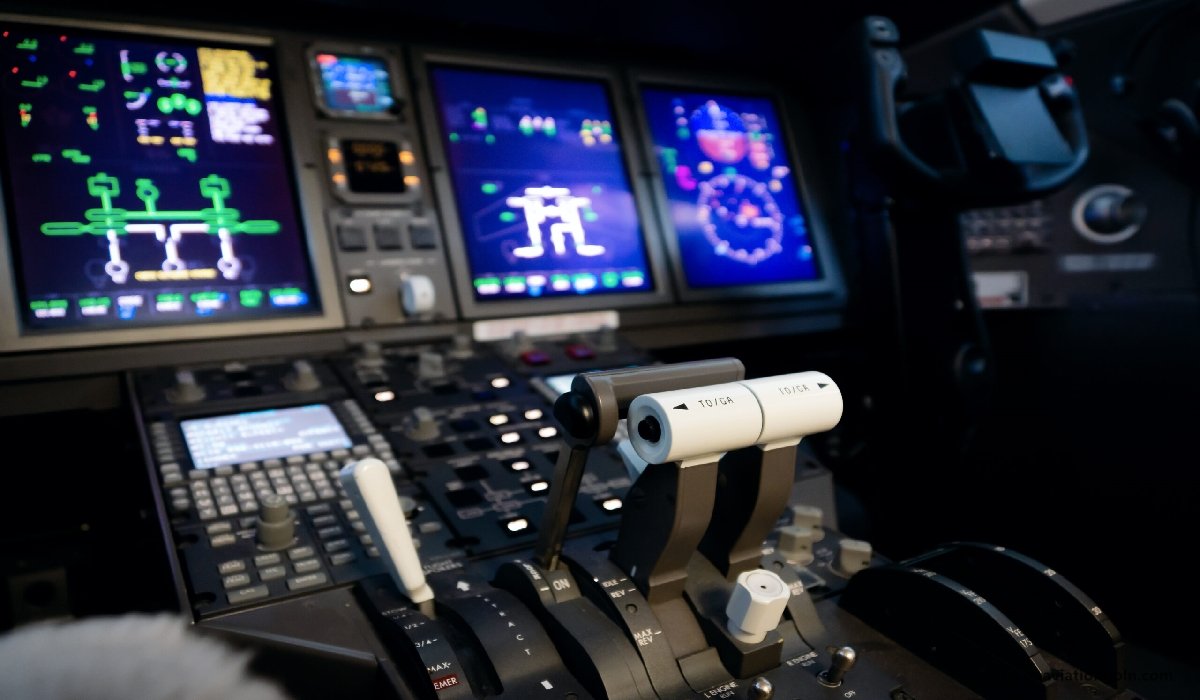
2. FMS and the Autopilot/Autothrottle System
The autopilot system uses inputs from the FMS to maintain the aircraft on the desired flight path. Once a route is programmed into the FMS, the autopilot can be engaged to follow this route. The FMS feeds the autopilot with lateral (turns) and vertical (ascents and descents) commands to ensure the plane sticks to its planned path.
Additionally, the FMS interfaces with the autothrottle system to maintain the desired speed or engine power setting. This interaction ensures the aircraft operates within performance envelopes and observes speed restrictions, enhancing safety and efficiency.
3. FMS and Navigation Sensors
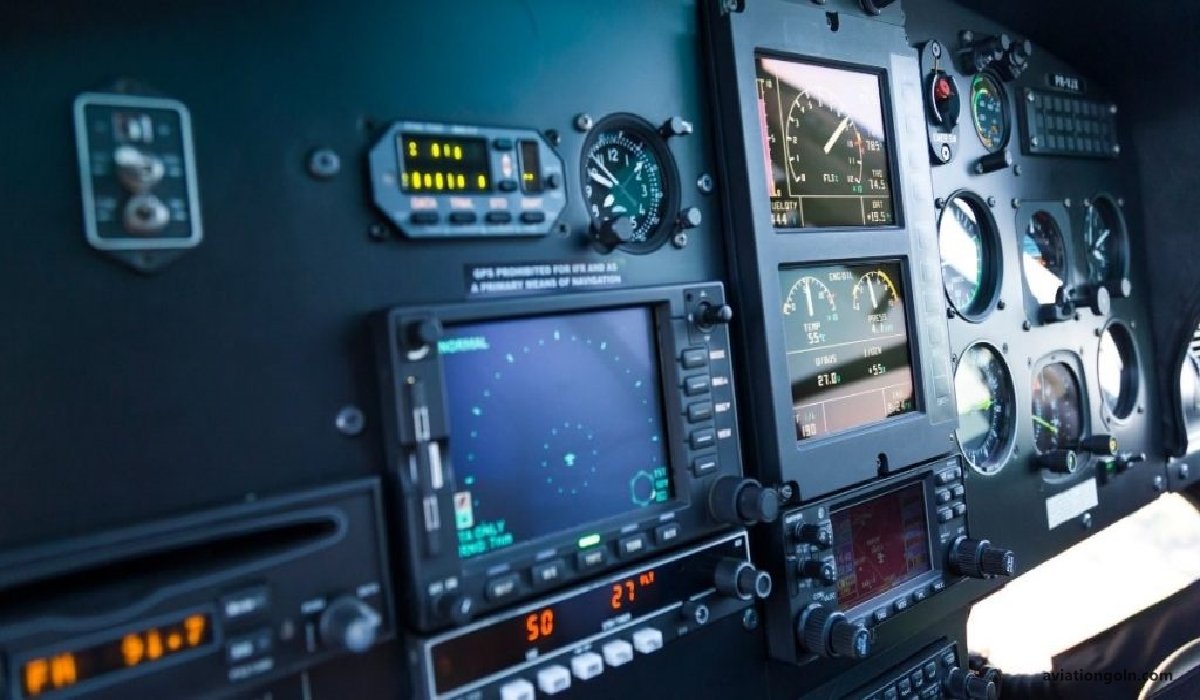
To ensure accurate navigation, the FMS collaborates with various onboard sensors:
- GPS (Global Positioning System): The FMS uses GPS data to determine the aircraft’s precise location in real-time. This satellite-based navigation is pivotal for modern aviation, offering unparalleled accuracy.
- Inertial Reference Systems (IRS): The FMS can also obtain position data from IRS, which gives information based on inertial changes. This data provides backup to GPS or can be used in a complementary fashion to enhance navigation precision.
- Air Data Computers (ADC): The ADC supplies information related to air pressure, temperature, and wind speed. The FMS uses this data to compute the aircraft’s true airspeed and altitude, essential for performance calculations.
4. FMS and Communication Systems
FMS is integrated with aircraft communication systems to receive real-time updates:
- ACARS (Aircraft Communications Addressing and Reporting System): ACARS allows the FMS to receive up-to-date meteorological data, air traffic control clearances, and other crucial operational information. This seamless communication enables the FMS to adjust the flight plan based on the latest data.
- Cockpit Voice and Data Recorders: These record the inputs and outputs of the FMS, documenting every interaction and command for post-flight analysis, particularly vital during incident investigations.

5. FMS and Flight Display Systems
The cockpit’s flight display systems, such as the Primary Flight Display (PFD) and Navigation Display (ND), rely on the FMS for various data:
- Map Display: The FMS provides the route information, waypoints, and other navigation details to be visualized on the ND.
- Flight Parameters: Crucial parameters like the aircraft’s current and desired altitude, airspeed, and heading, driven by the FMS, are displayed on the PFD.
6. FMS and Engine Control
Modern aircraft engines are managed by an Electronic Engine Control (EEC) or Full Authority Digital Engine Control (FADEC). The FMS provides the desired thrust settings, considering the current phase of flight (climb, cruise, descent) and the aircraft’s performance needs. The FADEC/EEC then manages the engine parameters to match this desired setting.

7. FMS and Fuel Management Systems

Fuel efficiency is a primary objective for airlines. The FMS constantly computes the fuel consumption rates and estimates the fuel required for the remainder of the flight. By integrating with the fuel management systems, the FMS can monitor and control fuel distribution, ensuring optimal balance and efficiency.

8. FMS and Terrain Awareness and Warning Systems (TAWS)
Safety is paramount in aviation. TAWS provides alerts to pilots if the aircraft is in potential danger of flying into the ground or an obstacle. The FMS supplies the TAWS with the aircraft’s current position, flight path, and altitude data, ensuring that the warnings are relevant and timely.

9. FMS and Traffic Alert and Collision Avoidance System (TCAS)
The FMS integrates with TCAS, which scans for nearby aircraft to prevent mid-air collisions. If a potential collision is detected, the TCAS suggests avoidance maneuvers. While the TCAS operates autonomously, its integration with the FMS ensures that any suggested maneuvers are within the aircraft’s performance capability.

10. FMS and Weather Radar Systems
Real-time weather updates are crucial for a safe and efficient flight. The FMS integrates with onboard weather radar systems, allowing pilots to visualize weather patterns on the navigation displays. If severe weather is detected, the FMS can suggest alternative routes or altitudes to ensure a safe passage.

The Flight Management System’s sophistication lies not just in its individual capabilities but in its ability to seamlessly integrate and interact with a plethora of other avionic systems. This intricate web of interactions ensures that aircraft not only fly efficiently but, more importantly, safely. As technology continues to advance, the synergy between the FMS and other systems will only deepen, driving the future of safer, more efficient air travel.