Fundamental Hardware Components: The term “avionics” is a fusion of the words “aviation” and “electronics,” and it pertains to the electronic systems used on aircraft, satellites, and spacecraft.
Avionic systems include communications, navigation, the display and management of multiple systems, and the countless systems that are fitted to aircraft to ensure their safe operation and navigation. The hardware components of these systems are as crucial as the software that operates them. This article delves into the fundamental hardware components that constitute avionics hardware.
Fundamental Hardware Components: Avionics Hardware
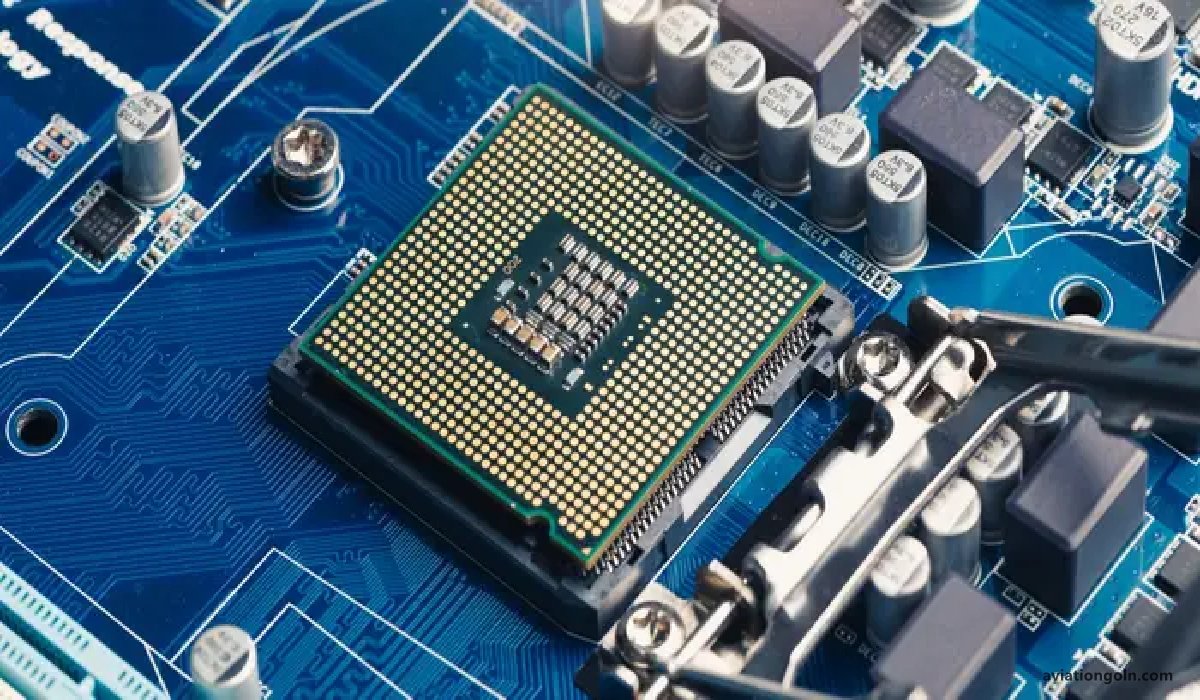
1. Central Processing Units (CPUs)
In modern avionics, the CPU serves as the brain of the operation. Much like in computers, the CPU in avionic systems is responsible for processing data, executing commands, and controlling other hardware components. With the increasing complexity of modern aircraft systems and the need for real-time data processing, these CPUs need to be highly reliable and efficient.
2. Data Buses
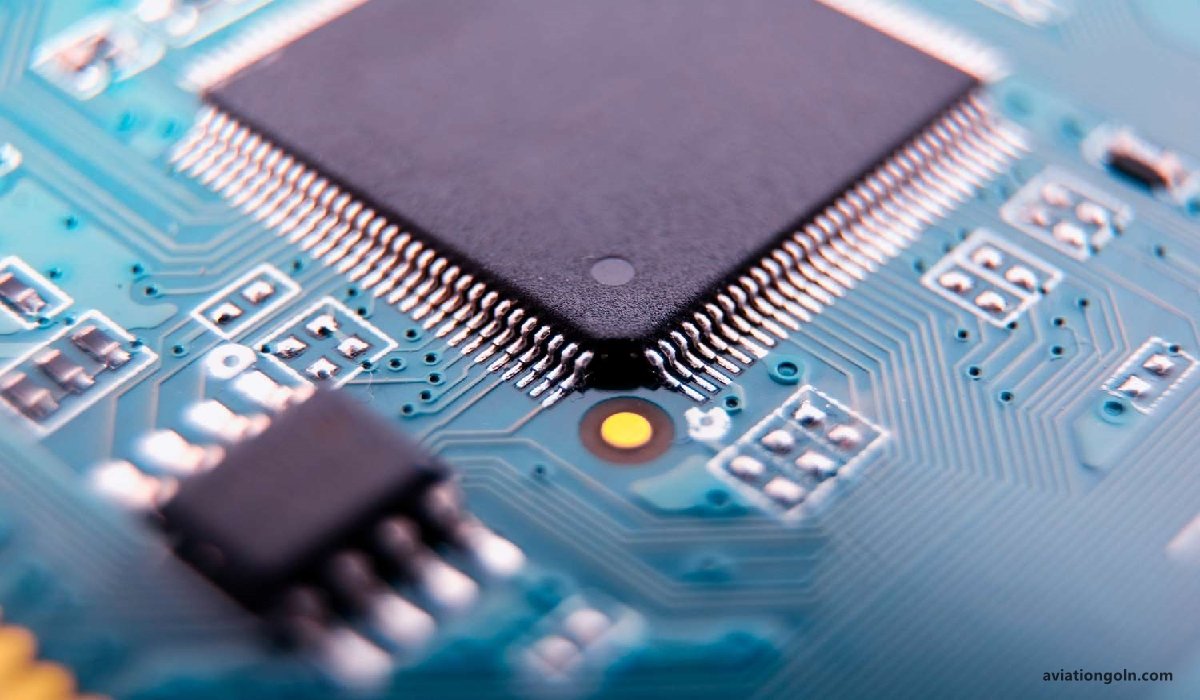
A data bus can be likened to a highway for data. It is a system within the avionics hardware that transfers data between components. There are various data bus standards in the avionics industry, like ARINC 429, ARINC 629, and MIL-STD-1553. These standards ensure that different avionics hardware components can communicate with each other efficiently and reliably.
3. Displays and Interfaces
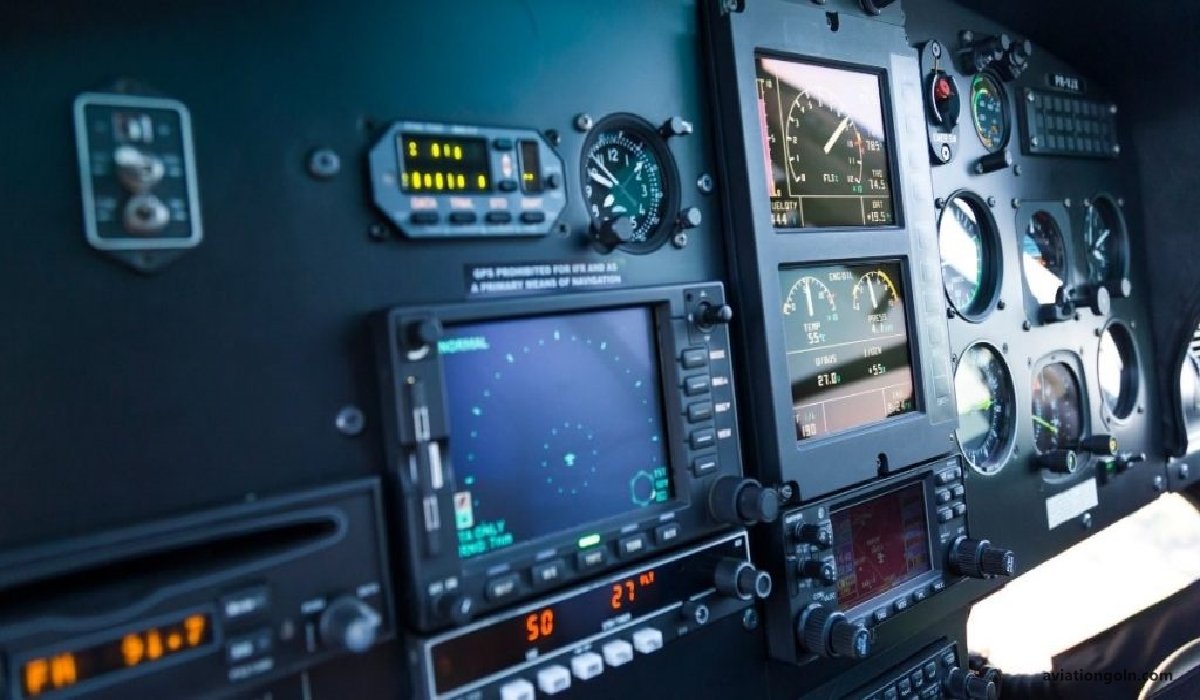
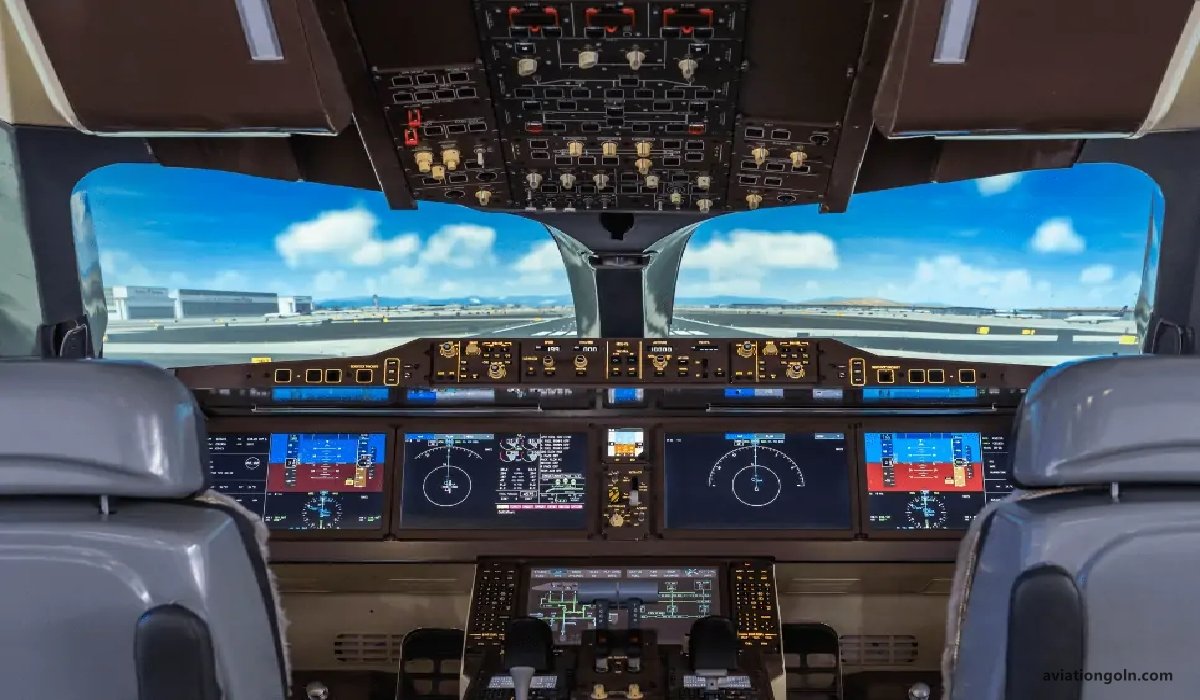
Pilots interact with avionics systems largely through displays and interfaces. These include:
- Multi-function Displays (MFDs): These provide pilots with a range of information from navigation maps to radar data, all in one place.
- Primary Flight Displays (PFDs): These give pilots essential flight information, like altitude, airspeed, and heading.
- Head-Up Displays (HUDs): A system that projects essential flight data onto a transparent screen in the pilot’s line of sight, allowing them to remain focused on their flight path.
4. Sensors
Sensors in avionic systems capture real-time data from the environment and the aircraft itself. Key sensors include:
- Air Data Computers: These calculate critical flight data like airspeed, altitude, and temperature by measuring the dynamic and static pressures.
- Gyros and Accelerometers: Essential for Inertial Navigation Systems (INS), these sensors provide information about the aircraft’s position, orientation, and velocity.

- Radar Systems: Used for weather detection, terrain mapping, and collision avoidance.
- Magnetometers: These measure the Earth’s magnetic field and help determine the aircraft’s heading.
5. Communication Systems
Reliable communication is pivotal in aviation. The hardware components behind communication systems include:
- Radios: These enable communication between the aircraft and the ground, as well as with other aircraft.
- Transponders: These devices receive signals from ground radar installations and transmit a coded response to provide air traffic controllers with accurate location data.
- Satellite Communication (Satcom) Systems: Enable long-range communication, especially vital for flights over oceans or remote areas.

6. Navigation Systems
Modern aircraft come with sophisticated navigation systems. The primary hardware components include:
- Global Navigation Satellite System (GNSS) Receivers: Most commonly, the Global Positioning System (GPS) enables aircraft to determine their position anywhere in the world.
- VOR (VHF Omnidirectional Range) Receivers: These receive signals from ground stations, providing pilots with bearing information.
- Distance Measuring Equipment (DME): This hardware calculates the aircraft’s distance from a ground-based beacon.
- Automatic Direction Finder (ADF): Uses signals from non-directional beacons (NDB) for navigation.

7. Control Systems
Control systems help automate various processes on an aircraft:
- Autopilots: Use various sensors and navigational aids to automatically control an aircraft’s flight.
- Flight Management Systems (FMS): These are complex systems that use a mixture of sensors, databases, and user input to optimize flight paths, speed, and altitude.

8. Recording Devices
Accurate record-keeping is crucial for both the analysis of flight data and for investigations after any incidents:
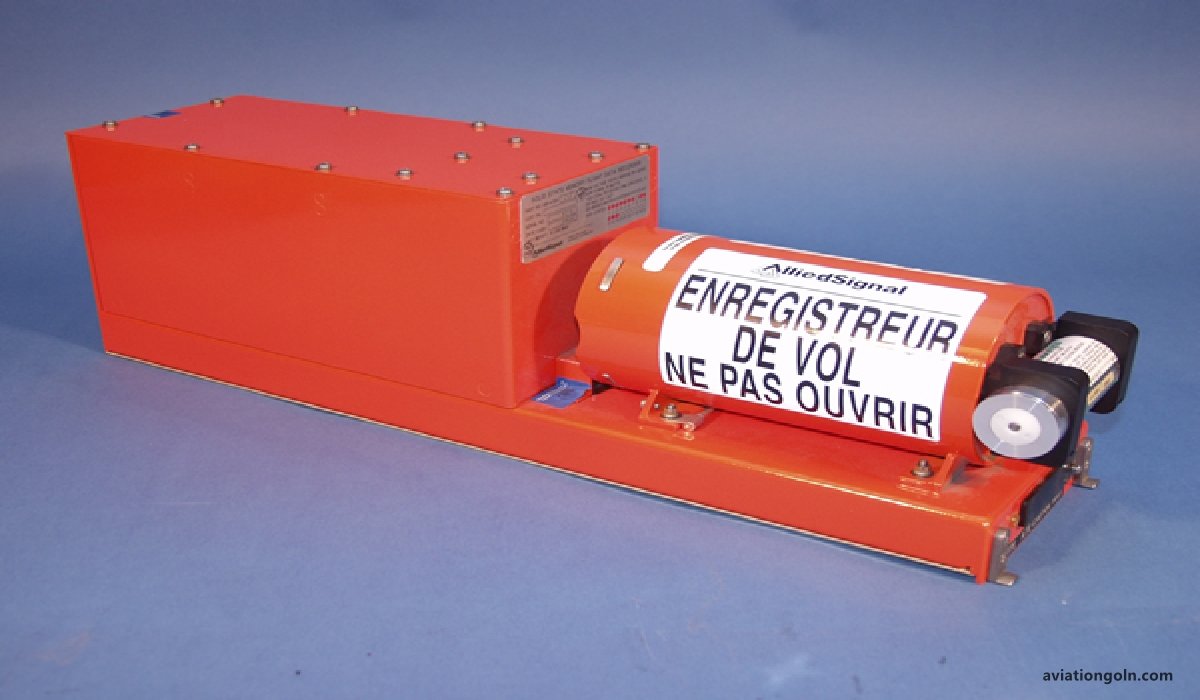
- Flight Data Recorders (FDR): Often known as “black boxes,” these devices record many parameters of an aircraft’s flight.
- Cockpit Voice Recorders (CVR): These record the conversations and sounds in the cockpit.
9. Power Supplies and Distribution
Avionics systems require a reliable source of power:
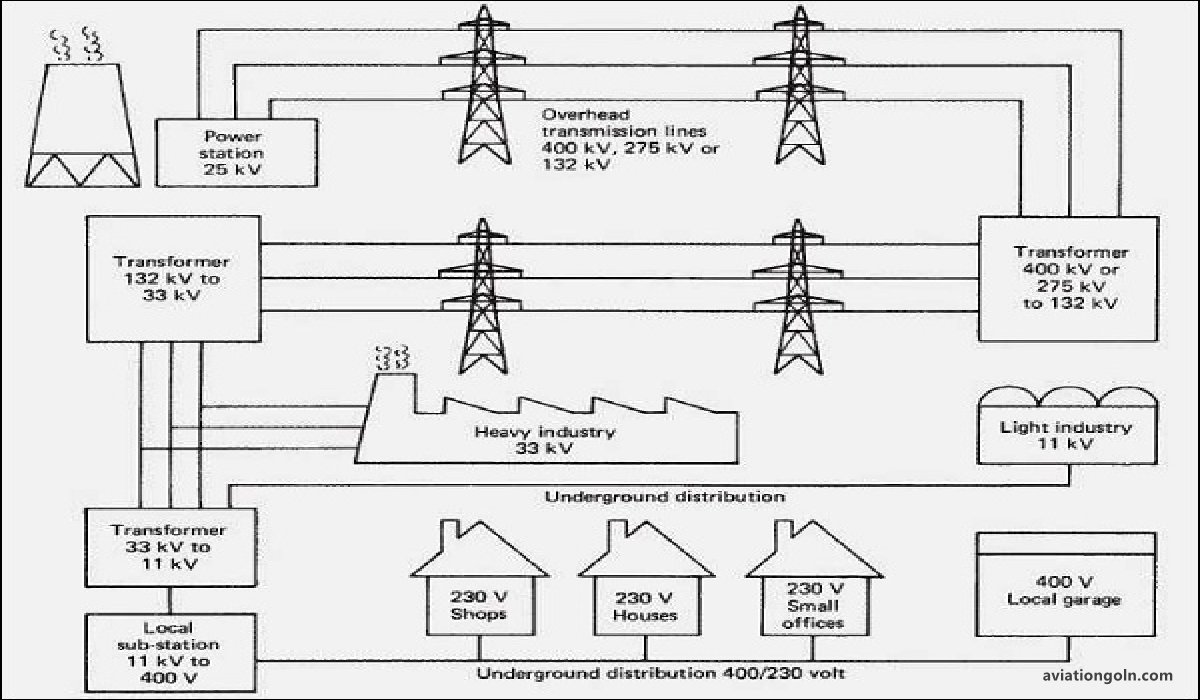
- Power Supply Units (PSUs): Convert and regulate power from the aircraft’s main systems for use by avionics systems.
- Power Distribution Units (PDUs): These ensure that power is appropriately distributed among various avionic components.
10. Cooling and Thermal Management Systems
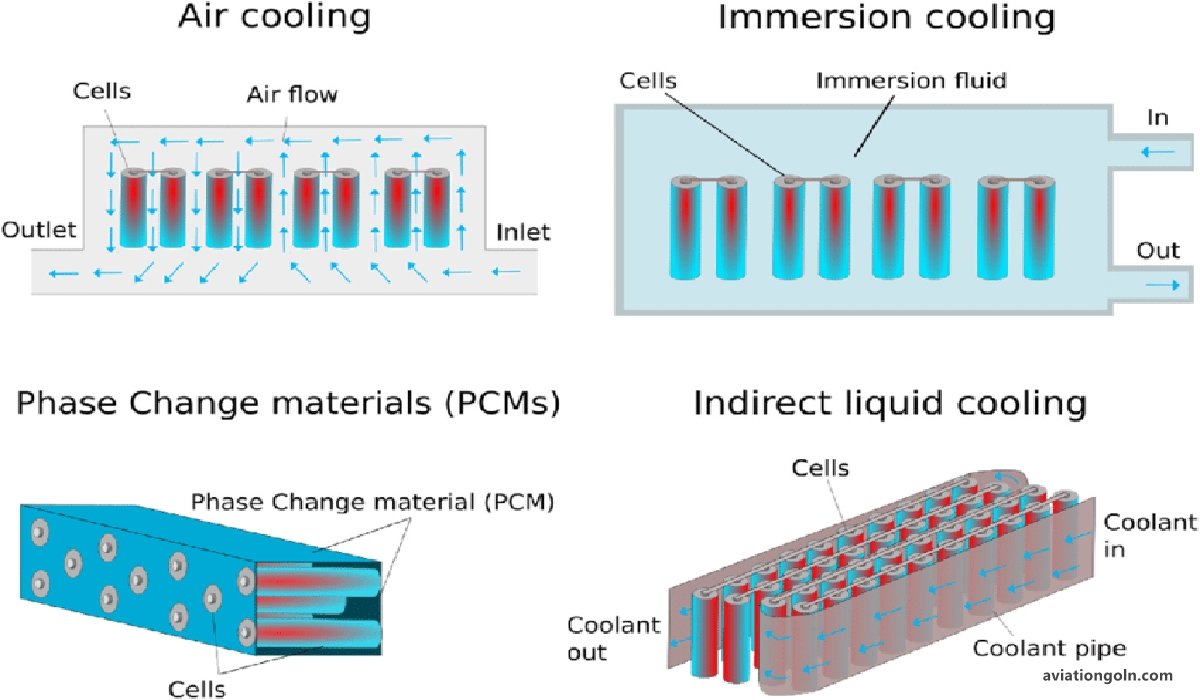
Electronic components produce heat, and in the confined space of an aircraft, managing this heat is vital:
- Cooling Fans: Most common in commercial aircraft, these help dissipate heat.
- Heat Sinks: Often used in conjunction with other cooling mechanisms, these dissipate heat by conducting it away from sensitive components.
- Liquid Cooling Systems: Used in specific high-performance or military applications, these circulate a cooling liquid around components to manage temperature.
Avionic hardware components are the backbone of the intricate electronic systems that keep modern aircraft flying safely and efficiently. As technology continues to advance, the complexity and capabilities of avionic systems will expand, further underscoring the importance of understanding and maintaining these critical hardware components. Whether it’s the CPU processing vast amounts of data, sensors capturing essential flight parameters, or displays ensuring pilots have the information they need, each piece plays a pivotal role in the broader avionic ecosystem.