
The Role of FMS in Modern Aviation, In the world of aviation, rapid technological advancements have paved the way for more efficient, safer, and more reliable aircraft operations. One such breakthrough is the Flight Management System (FMS). This complex system has redefined the manner in which pilots interact with their aircraft, navigate the skies, and plan their flights. This article delves into the pivotal role of the FMS in modern aviation.
The Role of FMS in Modern Aviation

What is a Flight Management System (FMS)?
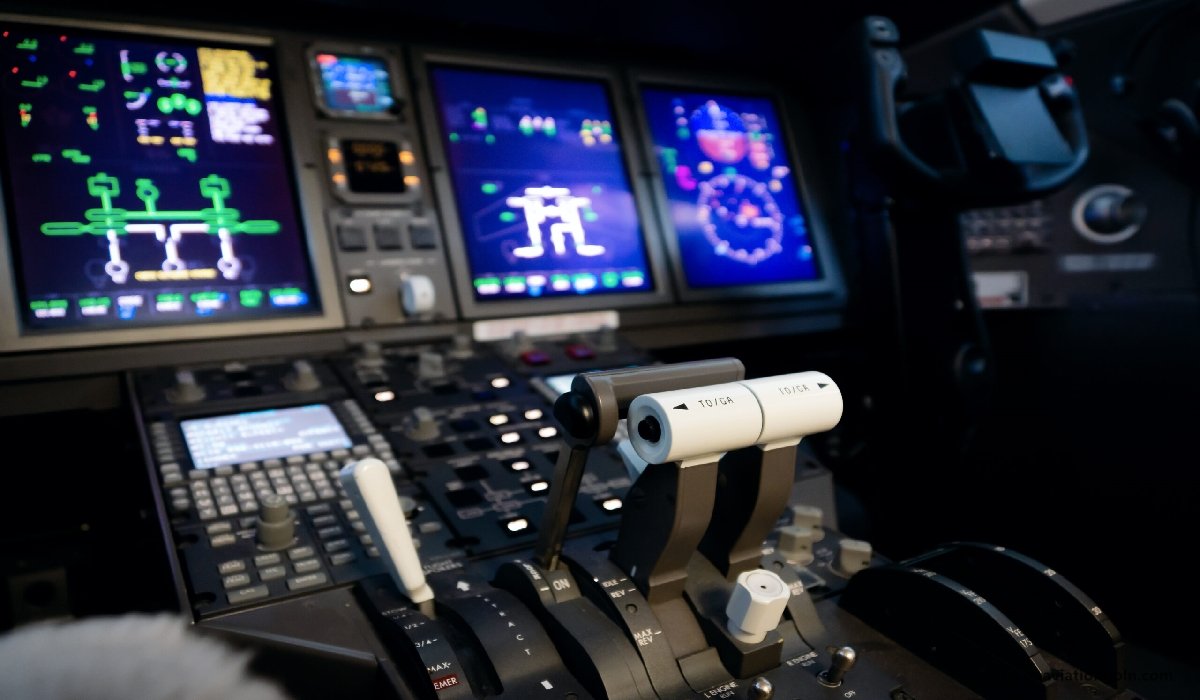
The Flight Management System (FMS) is an integrated computer system used in modern aircraft to perform a variety of in-flight tasks. These tasks include flight planning, navigation, performance computations, and aircraft guidance. Essentially, the FMS is the brain behind an aircraft’s operations, taking into account data like aircraft position, flight plan, and other inputs to facilitate optimal performance throughout the flight.

History and Evolution
The genesis of the FMS can be traced back to the 1970s. Early versions were rudimentary and mainly used for basic navigation and flight planning. However, with the advent of digital technology, their capabilities expanded rapidly. By the 1980s and 1990s, the systems had evolved to offer fuel-efficient routes, real-time adjustments, and integration with other onboard avionics.

Core Functions of FMS in Modern Aviation
- Flight Planning: Before takeoff, pilots can input a flight plan into the FMS, detailing the aircraft’s intended route from departure to destination. The system will then optimize this route for time, distance, and fuel efficiency.
- Navigation: The FMS uses a combination of sensors, databases, and algorithms to determine the aircraft’s position and ensure it remains on its pre-defined flight path. This has drastically reduced dependence on ground-based navigation aids.
- Performance Optimization: Modern FMS can adjust an aircraft’s flight parameters in real-time to achieve optimal performance. This includes factors like speed, altitude, and engine power, keeping in mind variables such as wind and weather.
- Predictive Capabilities: Advanced FMS can forecast upcoming flight conditions and make necessary adjustments. For instance, it might predict turbulence and adjust altitude or route to mitigate its effects.
- Integration with Avionics: The FMS seamlessly integrates with other onboard systems such as the autopilot, weather radar, and traffic collision avoidance systems (TCAS), ensuring a cohesive flight experience.

Benefits of FMS in Modern Aviation
- Fuel Efficiency: One of the most significant advantages of the FMS is its ability to optimize routes for fuel consumption. By calculating the most efficient altitude, speed, and path, airlines can save considerable amounts on fuel costs.
- Enhanced Safety: With its predictive capabilities and real-time adjustments, the FMS can proactively manage risks like weather disturbances or airspace congestion.
- Reduced Workload for Pilots: Automated processes and the ability to handle complex calculations mean pilots can focus more on monitoring systems and making decisions, rather than manual navigation and flight adjustments.
- Improved On-Time Performance: With better route optimization and real-time adjustments, flights equipped with an FMS tend to have improved punctuality.
Challenges and Considerations
While the FMS has revolutionized aviation, it’s not without its challenges:
- Dependency and Over-reliance: With automation comes the danger of over-reliance. Pilots must remain trained and proficient in manual flight operations in the event of system malfunctions or failures.
- Complex Interface: The intricate nature of the FMS can be overwhelming. Adequate training is essential to ensure pilots can utilize its features efficiently.
- Database Limitations: The FMS relies heavily on its onboard database for navigation and other functions. Any outdated or incorrect data can lead to navigation errors.

The Future of FMS
As technology continues to evolve, so too will the capabilities of the Flight Management System:
- Integration with Artificial Intelligence (AI): AI can further enhance the predictive capabilities of the FMS, making real-time decisions based on a myriad of data points.
- Connectivity with Ground Operations: Future systems may have a more seamless connection with ground operations, ensuring real-time coordination between air traffic control, maintenance teams, and the aircraft.
- Customizable Interfaces: To combat the complexity of current systems, future FMS may offer customizable interfaces tailored to pilot preferences and airline specifications.

In the landscape of modern aviation, the Flight Management System stands as a testament to human ingenuity and the relentless pursuit of progress. From ensuring optimal performance to enhancing safety, the FMS plays a crucial role in today’s aircraft operations. As technology continues to push the boundaries of what’s possible, the FMS will undoubtedly adapt, ensuring that the future of aviation remains as promising as its illustrious past.