
In the dynamic realm of aviation, safety is paramount. The sheer intricacy and demands placed on aircraft, especially their engines, necessitate a rigorous maintenance regimen. Among the most critical procedures in this domain is engine overhaul and repair. Diving deep into the world of aviation maintenance, we’ll explore what engine overhaul involves, its significance, the process, and its implications for aircraft safety.
Engine Overhaul and Repair: Ensuring Aircraft Maintenance and Safety
Introduction to Engine Overhaul
Engine overhaul refers to the process of inspecting, disassembling, repairing, and reassembling an aircraft’s engine to ensure its peak functionality and safety. It’s more than just a routine check-up; it’s a comprehensive rejuvenation of the engine.
Why is it Necessary?
- Wear and Tear: Aircraft engines operate under extreme conditions, leading to natural wear over time.
- Safety: Ensuring that all components are in optimal condition minimizes the risk of in-flight malfunctions or failures.
- Regulatory Compliance: Aviation authorities worldwide mandate regular overhauls to ensure aircraft meet stringent safety standards.

Types of Engine Overhaul
Top Overhaul
This involves only the parts above the crankcase, like cylinders and pistons. It doesn’t require the complete disassembly of the engine.
Major Overhaul
Here, the entire engine is taken apart, inspected, and repaired. Components are replaced or remanufactured to meet specific standards.

3. The Overhaul Process
Preliminary Inspection
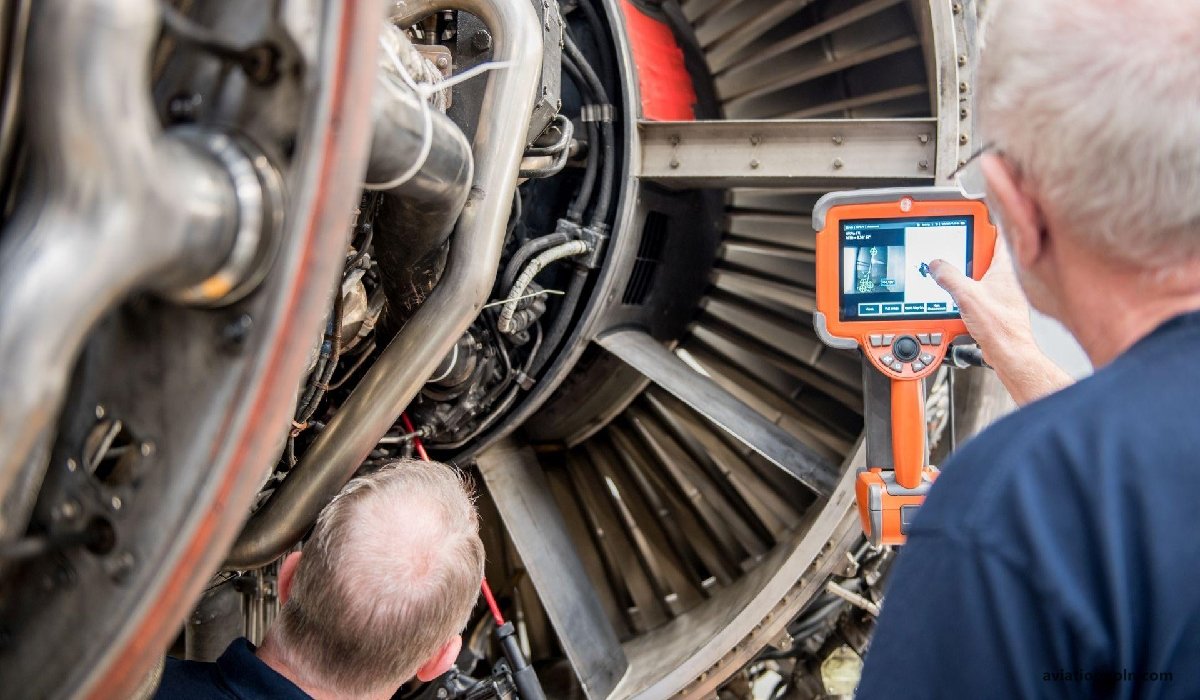
Before disassembling the engine, maintenance personnel document its general condition, noting any visible wear, leaks, or damage.
Disassembly
Every component, from the largest gear to the tiniest bolt, is methodically taken apart. Special care is taken to ensure parts aren’t damaged during this process.
Cleaning
Components are cleaned using specialized solvents to remove accumulated grime, carbon deposits, and contaminants.
Detailed Inspection
Post-cleaning, each part undergoes a meticulous inspection. Non-destructive testing methods, such as magnetic particle inspection or ultrasonic testing, help identify cracks or defects not visible to the naked eye.
Repair or Replacement
Damaged parts are either repaired or replaced. When replacing, there’s often a choice between new parts or those restored to ‘like new’ condition.
Reassembly
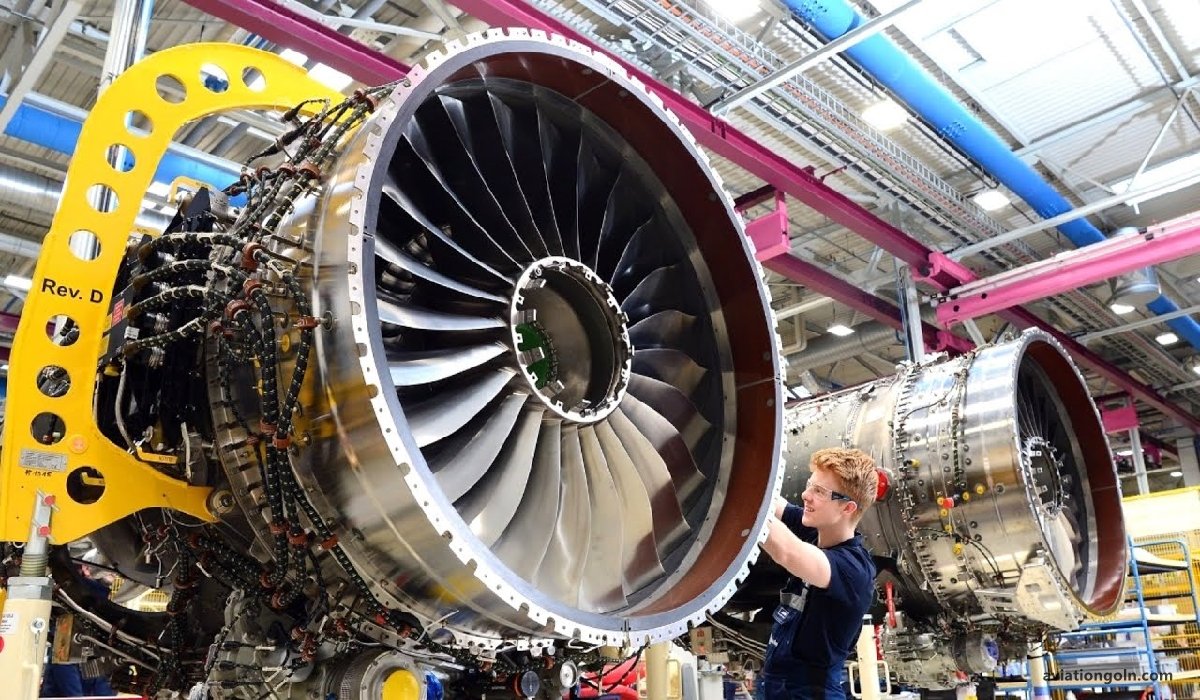
With all components addressed, the engine is reassembled, ensuring that it adheres to the manufacturer’s specifications and aviation authority standards.
Testing
Post-overhaul, engines undergo rigorous testing. They’re run under controlled conditions, and parameters like power output, fuel consumption, and emissions are measured to ensure optimal performance.
Engine Repair
While overhauls are periodic, repairs can be more sporadic, addressing specific issues or malfunctions.
Routine Repairs
These address minor issues, like replacing worn seals, fixing minor leaks, or replacing individual components.
Unscheduled Repairs
Triggered by unforeseen malfunctions, these might involve more significant interventions, sometimes even requiring partial disassembly.

Safety Implications
Reliability
Overhauls ensure the engine operates reliably, minimizing in-flight failures or issues.
Efficiency
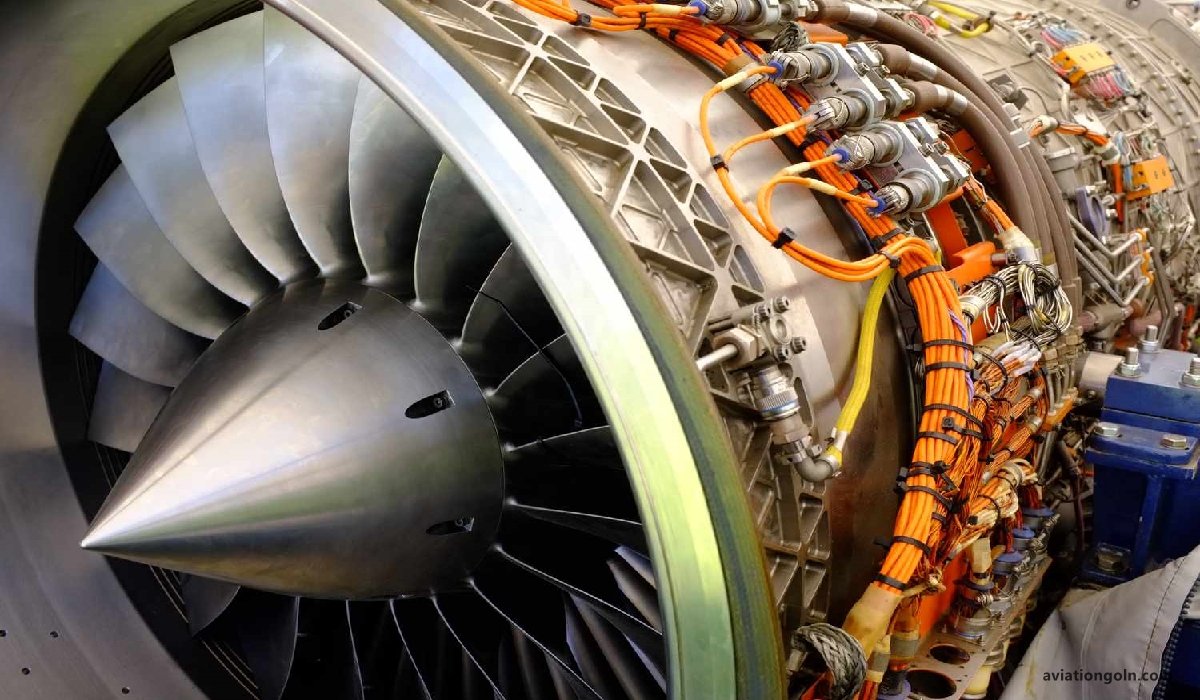
An overhauled engine performs optimally, ensuring fuel efficiency and reducing emissions.
Longevity
Routine maintenance extends the engine’s operational lifespan, delaying the need for complete replacements.
Economic Considerations
Cost-Benefit Analysis
While overhauls are expensive, they can be more economical in the long run by preventing catastrophic failures or complete engine replacements.
Value Retention
Aircraft with regularly overhauled engines retain their market value better than those with neglected maintenance.
Future of Engine Maintenance
Predictive Maintenance
With advancements in sensors and data analytics, future maintenance might be more predictive, identifying potential issues before they escalate.
Eco-Friendly Practices
Emerging cleaning technologies aim to reduce the environmental impact of maintenance by minimizing waste and using eco-friendly solvents.

Engine overhaul and repair, while technical in nature, play an undeniably pivotal role in ensuring the safety and reliability of every flight. As we entrust our lives to the mammoth metal birds soaring in the sky, it’s comforting to know that rigorous processes like these ensure our journeys are not just exhilarating but safe as well. In the end, the symphony of aviation is as much about the roar of a well-tuned engine as it is about the allure of the open sky.